Mac Keyboard Tester
This layout matches a MacBook or Apple Magic Keyboard, with Command (⌘), Option (⌥) and Control (⌃) keys. It also works for any keyboard in Mac mode. Press each key until the board is green.
0 of 76 keys, 0 at once, No chatter
- Not pressed yet
- Held now
- Works
- Chatter
- Browser can’t see it
How chatter detection and greyed-out keys work
A key is flagged for chatter when it sends a second press less than 50 ms after the first. Even fast deliberate tapping leaves about 100 ms between presses, so a repeat that quick comes from the switch, not your finger. Holding a key down (auto-repeat) is never counted.
Dashed keys such as Fn never reach a browser: the keyboard or the operating system handles them. They don’t count towards your total. Test Fn by holding it with another key. Some volume and brightness keys are handled the same way. Browser shortcuts such as Ctrl+W are left alone, so you can’t close this tab by accident.
Press every key to get your result
When every key is green you’ll get a result here. Already know what’s wrong? Skip ahead.
Testing a Mac keyboard
- macOS uses the top row for brightness and volume. Hold fn while you press them to send F1 to F12, or turn on “Use F1, F2, etc. keys as standard function keys” in Keyboard settings.
- The fn/Globe key and Touch ID never reach a browser, so they’re greyed out.
- macOS can report Caps Lock only when it turns on or off, so one press is enough to turn it green.
Mac keyboard tester FAQ
Why don’t my MacBook’s F1 to F12 keys register?
By default, macOS uses the top row for brightness, Mission Control and volume, and handles those keys before the browser sees them. Hold fn while pressing the top row, or turn on “Use F1, F2, etc. keys as standard function keys” in System Settings › Keyboard.
Why do keys look stuck while I hold Command?
macOS doesn’t report key releases while Command is held. The tester clears held keys when you let go of Command, so nothing stays stuck.
Can I test the fn/Globe key or Touch ID?
Not in a browser. macOS handles fn/Globe and Touch ID itself and never passes them to web pages, which is why they’re greyed out. Test fn by holding it with a top-row key: F1 to F12 should then light up.
What is key chatter, and how does this tester detect it?
Chatter is when one press types a letter twice. It usually comes from a worn or dirty switch, or firmware that doesn’t filter contact bounce. The tester flags a key when a second press arrives less than 50 ms after the first. Even fast deliberate tapping leaves about 100 ms between presses, so anything quicker is the switch, not you. Holding a key down (auto-repeat) never counts as chatter, and you can change the threshold to 30 or 80 ms.
Some keys don’t register. Is my keyboard broken?
Rule out the setup first. Try another USB port or cable, charge or re-pair a wireless board, check any Windows/Mac mode switch, and try another computer. If a key still doesn’t register on a hot-swap board, swap its switch with one from a key you rarely use. If the fault moves with the switch, replace the switch. If it stays in place, the socket or circuit board is at fault. On soldered boards and laptops, clean under the keycap first. A key that stays dead usually means a repair or a new keyboard.
How do I test for ghosting or key rollover?
Hold several keys at once, such as A, S, D, F plus J, K, L. The “at once” count above the keyboard shows the highest number registered together. Many USB keyboards handle 6 keys plus modifiers (6KRO), while N-key rollover boards register every key. If a key you’re holding doesn’t light up, the keyboard is blocking that combination. If a key you didn’t press lights up, that’s ghosting.
Helpful guides
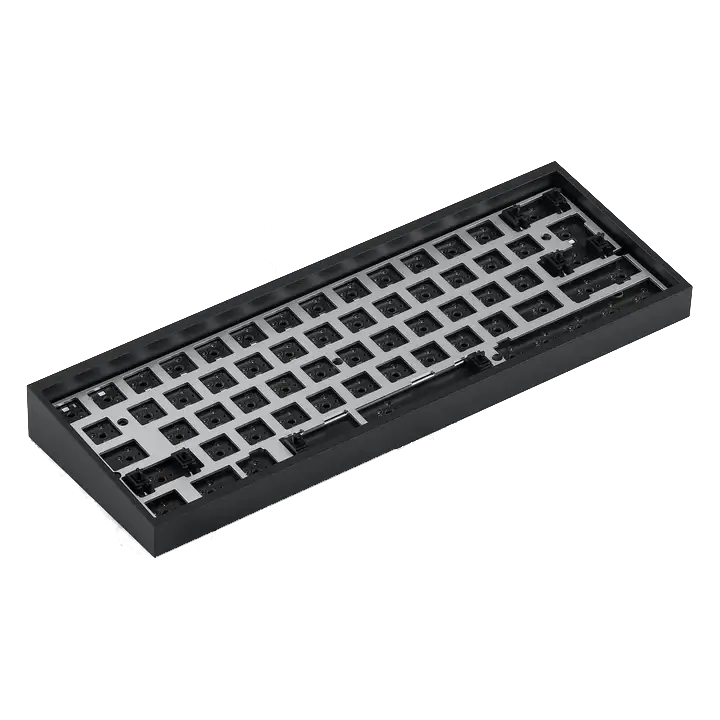
Choose your keyboard size
Compare full-size, TKL, 75%, 65%, and 60% keyboards by the keys you use, then check layout and keycap compatibility before buying.
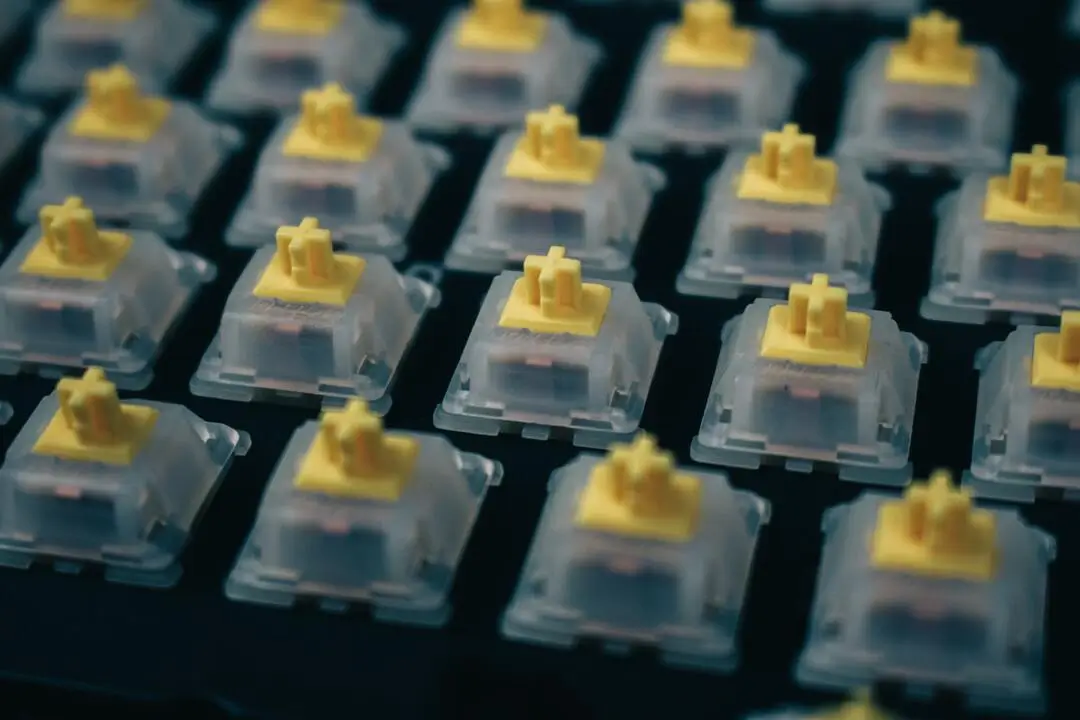
Choose the right switches
Choose linear, tactile, or clicky keyboard switches by feel, force, sound, and fit—without relying on color names or marketing labels.
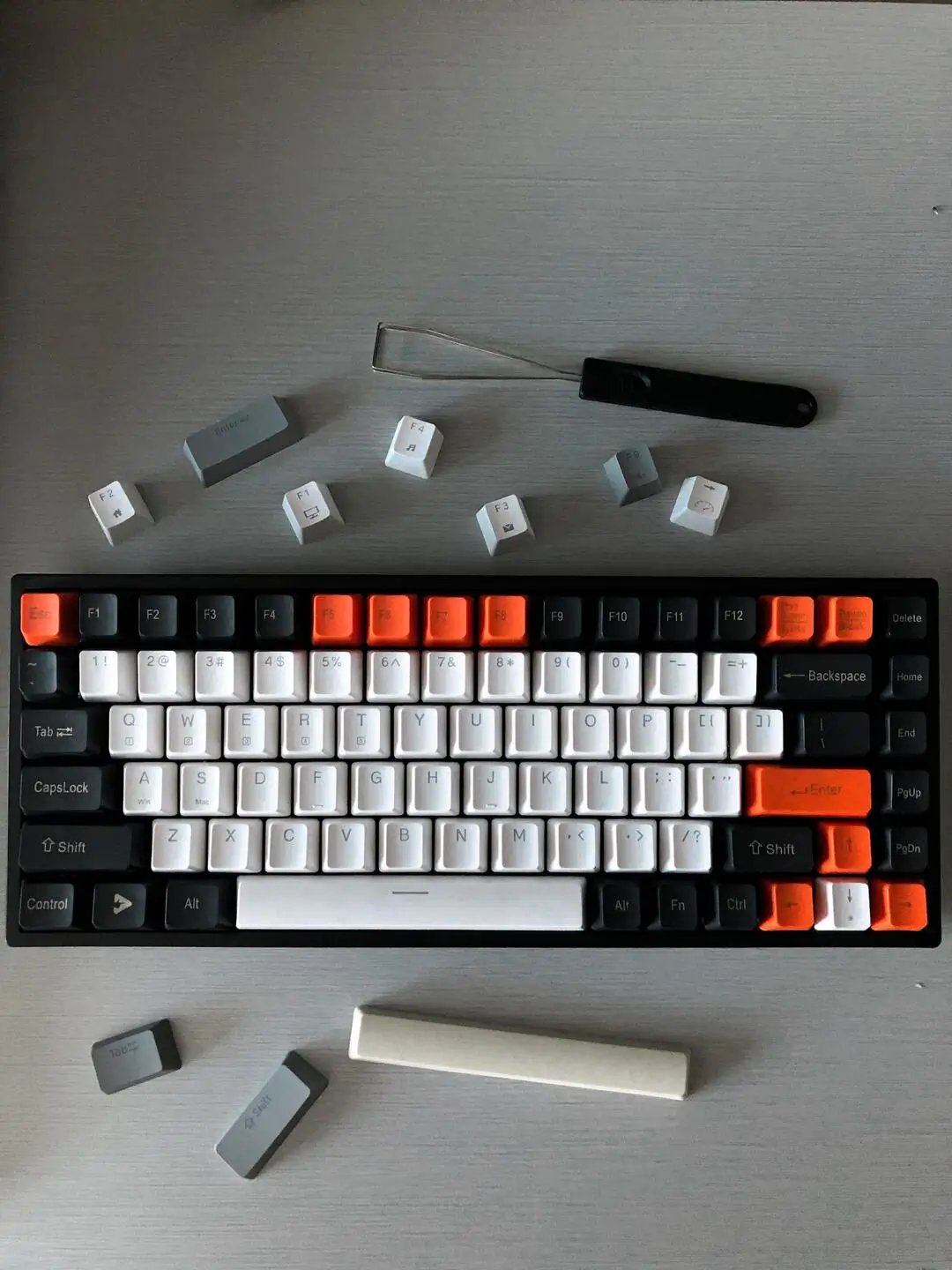
Choose compatible keycaps
Check keycap stem, layout coverage, key sizes, profile, material, and legends in the right order before buying a set.